
Commercial water damage doesn’t wait. It creeps in through ceilings, bursts from pipes, soaks into drywall, and threatens operations before anyone has time to react. For property managers, this kind of loss isn’t just about cleanup; it’s about quick decisions, clear communication, and protecting tenants, equipment, and long-term assets.
At Spangler Restoration, we’ve walked into flooded lobbies, soggy mechanical rooms, and soaked multi-floor corridors more times than we can count. The same core questions always come up in those first tense hours. And over the years, we’ve learned how to provide not only answers but also assurance.
If you’re facing a water loss, this guide will help you make the smartest next step. And if you need boots on the ground, Spangler is on-site within the hour, 24/7.

Table of Contents
Water Damage FAQs: 7 Questions Property Managers Ask After a Loss
1. How quickly should I respond to a water loss?
The first 24 hours after water damage are the most critical. Water that sits, even for just a few hours, can start to wick up walls, creep into subflooring, and spark the perfect storm for mold growth. Once that clock starts ticking, every delay can mean greater damage and higher restoration costs.
Insurance companies are also paying attention. Multiple claims can lead to higher premiums or coverage limitations. Preventative maintenance isn’t just a good idea; it’s a financial strategy that protects your investment.
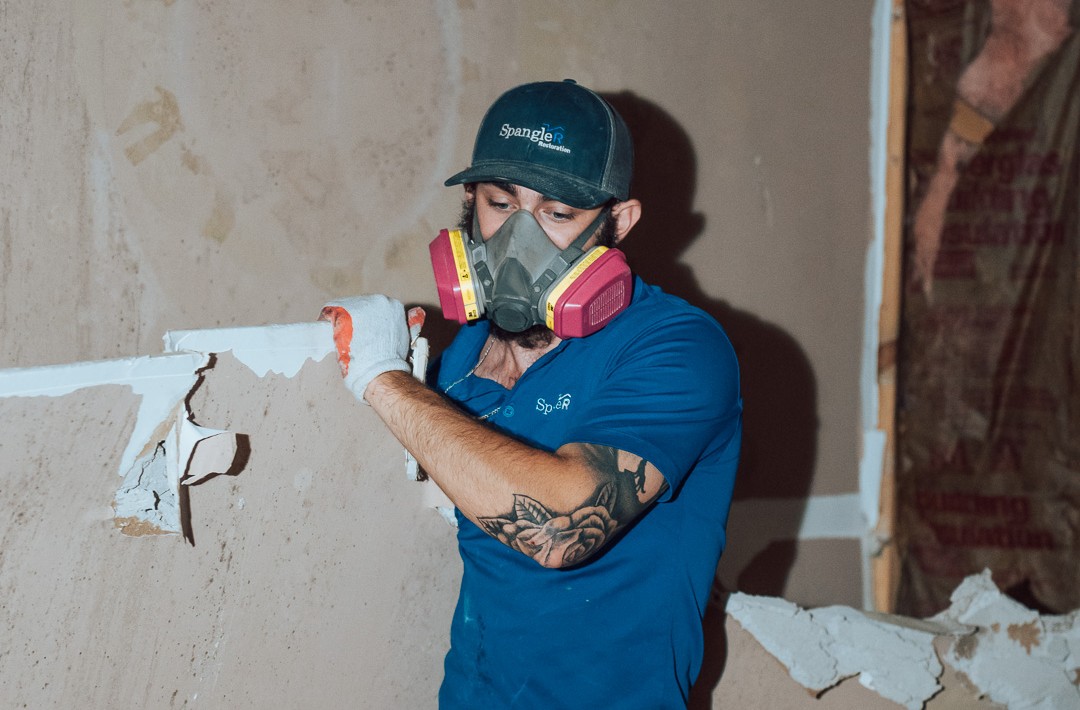
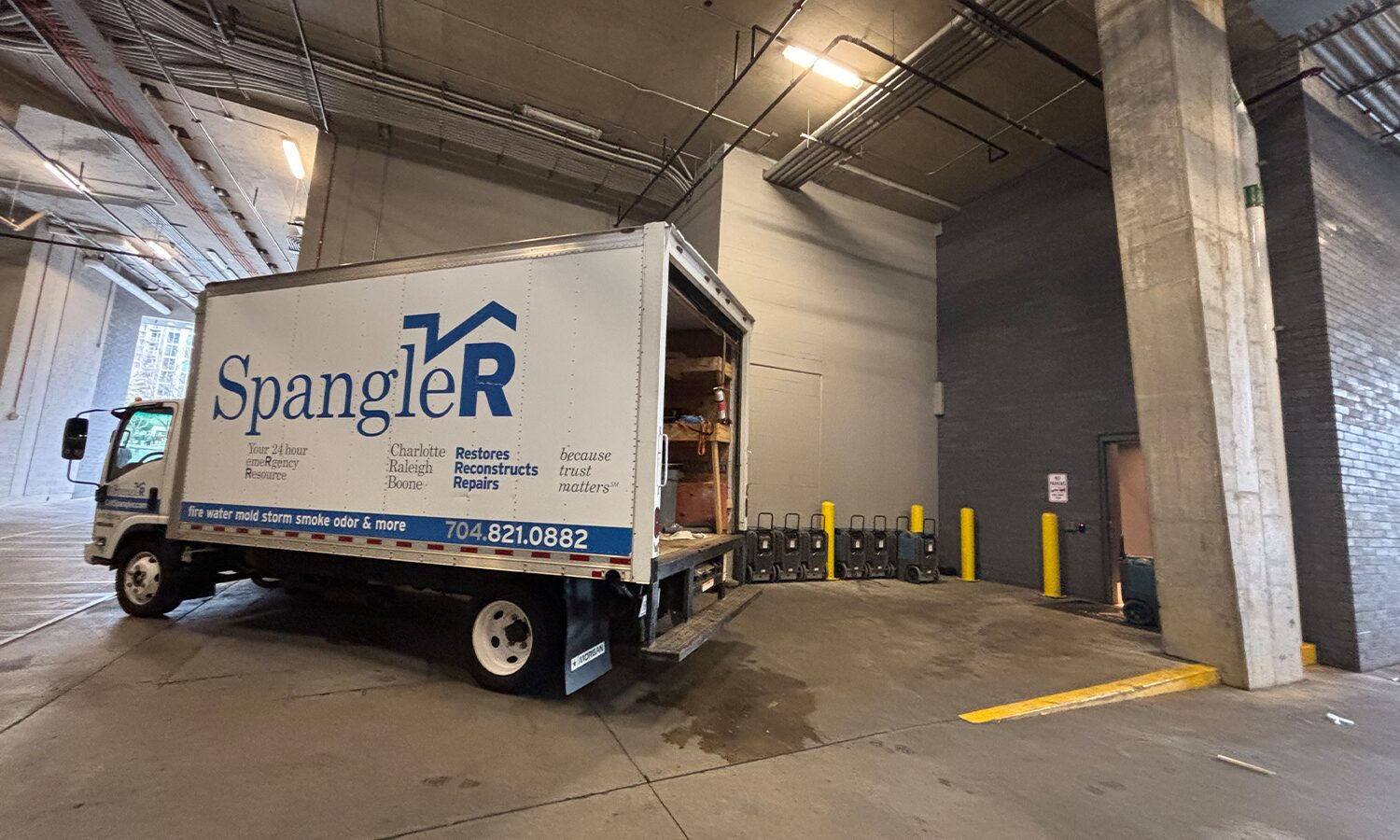
At Spangler Restoration, our commitment is fast water damage response. We know what’s at stake. That’s why we promise to be on-site within the hour, equipped with moisture meters, extraction tools, and experienced techs who know exactly how to stabilize the situation.
As one of our clients, Karen, put it, “All 10’s! Great Communication! I’m very happy with Spangler. Great Customer Service. I loved the fact that I didn’t have to keep calling for information because you guys always called me first.” That proactive communication is part of our fast-response promise. From the moment we arrive on-site, our team stays in touch with updates, timelines, and next steps, ensuring property managers are informed and not left in the dark when every minute matters.
2. Who should I call first: my insurance company or a restoration team?
Instinct might tell you to call your insurance provider first. But in most cases, the better move is to contact a restoration team immediately. Here’s why:
Water damage gets worse with every passing minute. By the time you get through the claims hotline, water may have already spread into electrical conduits or down into adjacent units. The sooner a professional restoration team is on-site, the more damage that can be prevented.
Spangler works directly with insurance adjusters throughout the Carolinas. We don’t just perform the cleanup; we help document the loss, file the correct paperwork, and make sure your claim is processed efficiently. Having us involved early means faster mitigation and less red tape. It’s all part of providing true commercial water damage support.
3. How do I know if the damage is structural or just surface-level?
Not all damage is visible. Water may appear to have dried on the surface, but underneath the finish materials, moisture can quietly be destroying structural components.
That’s why our team performs a comprehensive water damage assessment at every commercial loss. We use advanced moisture meters, thermal imaging, and visual inspections to identify water behind walls, under floors, and in ceiling cavities. From early moisture detection to the final repair walk-through, our team ensures no wet material is overlooked and no part of the process is left unclear. That level of support isn’t the exception; it’s the standard we bring to every assessment, no matter the type of commercial property.
4. How long will the drying and restoration process take?
The timeline for commercial water damage restoration varies depending on the scope of the loss. For a small contained incident, drying might take 2-3 days with repairs wrapped up shortly after. Larger losses spanning multiple units or floors may require weeks of phased work.
At Spangler, we prioritize transparency and consistent communication. From the first day, we provide a projected timeline and daily updates so property managers and tenants are always in the loop.
We also tailor our approach based on your building type, tenant needs, and operational hours. That might mean working overnight, setting up containment zones, or coordinating around equipment shutdowns to keep your business moving.
5. Can my tenants or staff remain in the building during restoration?
This depends on the severity and location of the water damage. Health and safety always come first, especially when dealing with contaminated water or areas where mold is present.
That said, many commercial water losses can be managed with strategic containment. We use temporary containment walls, negative air machines, and HEPA filtration to isolate affected areas and minimize disruption.
In many commercial water damage situations, it’s possible to keep parts of the building operational while restoration work is underway. With proper containment measures, such as temporary partitions and HEPA filtration, our team can isolate the affected areas and maintain a safe, functioning space for tenants or staff. Spangler Restoration works closely with property managers to minimize disruption, communicate clearly, and maintain business continuity whenever possible.
6. What paperwork or documentation do I need for insurance?
Insurance companies expect thorough documentation. That means photo evidence of the damage, detailed drying logs, technician notes, and signed work authorizations.
Spangler provides a full documentation package with every commercial project. From the moment we arrive, we begin collecting data and photos. Our software tracks drying progress in real time, which gives adjusters the evidence they need to process claims without delay.
This isn’t just helpful for big disasters. Even a simple ceiling leak can turn into a reimbursement headache if proper documentation isn’t in place. We take that burden off your plate as part of our full-service commercial water damage support.
7. Does Spangler Restoration offer financing if insurance doesn’t cover the full cost?
Yes, in the event that your insurance policy doesn’t cover the full cost of the restoration, you may need to bridge the gap with some extra financing to put the pieces back together.
We’ve partnered with Enhancify to help make the process of getting financed during times of disaster easier than ever. You can find the form to apply for disaster financing by visiting this link.

When in Doubt, Call Spangler
Commercial water losses are stressful. They test your leadership, your relationships with tenants, and your ability to respond fast.
The good news? You don’t have to handle it alone. Spangler Restoration is here when it matters most. With offices across North and South Carolina, we can dispatch a crew 24/7—day or night.
If you’re facing a water emergency, call us now at 866-263-5663 or visit CallSpangler.com for immediate assistance.
You Might Also Like
Puff-Back Cleanup & Prevention Tips for Heating Season
How to Choose a Water Restoration Company: What You Need to Know
