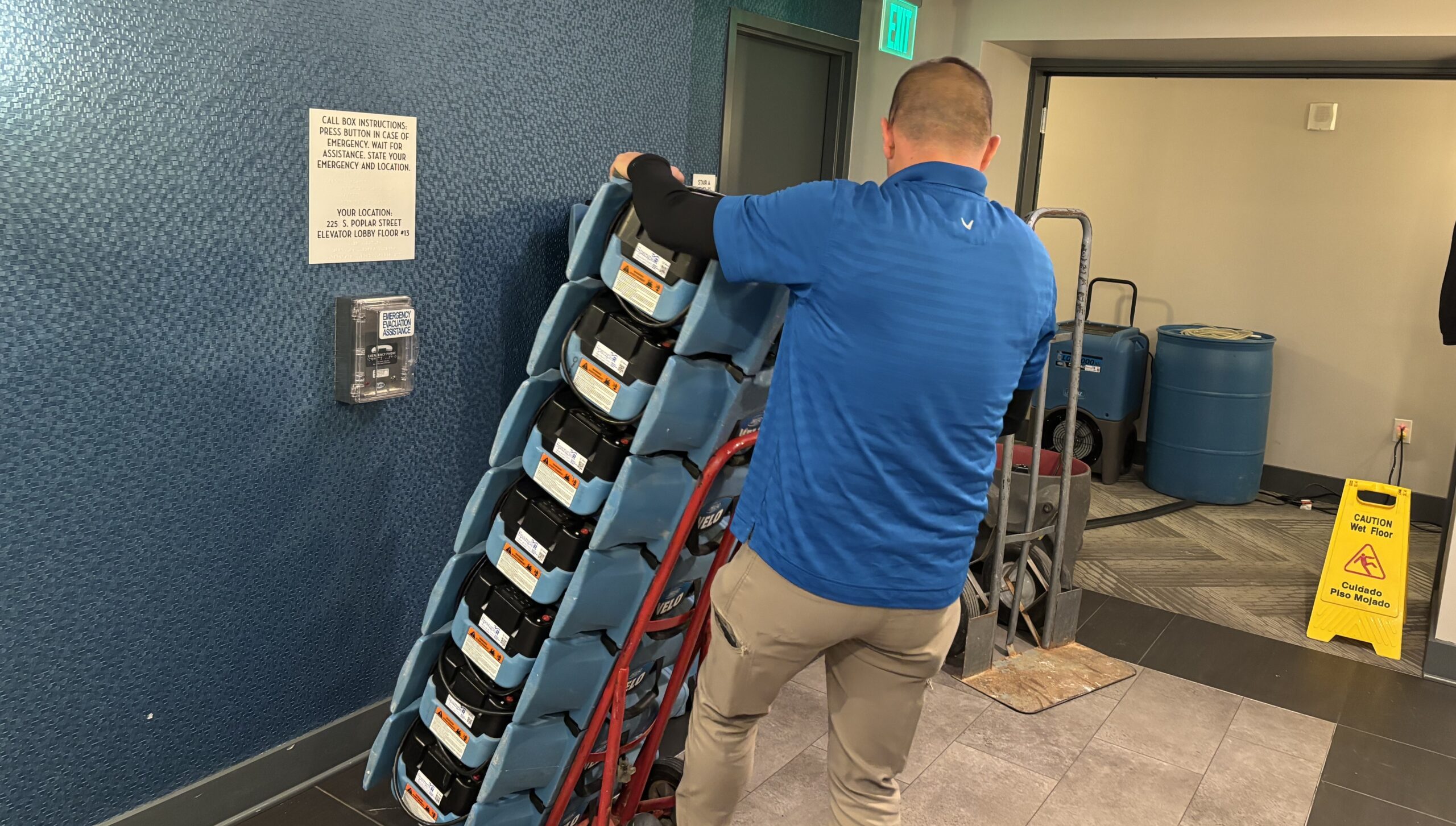
Mold isn’t just unsightly. In a commercial setting, it’s a risk multiplier. From health risks, structural degradation, to tenant disruption, it creates a chain of liability that risk managers can’t afford to ignore. At Spangler Restoration, we’ve responded to mold events in everything from multi-family to schools, hospitals, and retail buildings. The stakes are high, and the solution isn’t just cleanup; it’s public health and safety.
This 2025 playbook outlines exactly how to approach commercial mold remediation through a risk management lens. If you’re responsible for keeping a building healthy, compliant, and operational, this is your roadmap.
Table of Contents
Why Mold Risk Management Matters in 2025
Mold exposure can compromise air quality, trigger health complaints, damage materials, and land your organization in legal trouble if not handled correctly. Today’s regulatory landscape is more demanding, with insurers and legal teams requiring airtight documentation and proper procedure, along with the involvement of an IH (industrial hygienist).
Whether it’s a slow leak behind drywall or a major post-storm event, the cost of inadequate or delayed remediation can quickly snowball. Fast response backed by qualified expertise is the key to reducing exposure and expenses.

The Five Essentials of Mold Remediation in Commercial Properties
1. Early Detection and Risk Assessment
When it comes to mold, what you can’t see can absolutely hurt your bottom line. Mold often begins behind walls, under flooring, or within HVAC systems, places most property managers don’t inspect regularly. That’s why early detection through scheduled inspections, moisture detection, and air quality testing is critical. High-risk areas like basements, mechanical rooms, and older plumbing zones should be prioritized. Being proactive not only protects your occupants, it also significantly reduces the cost and scope of remediation down the line.
2. Choosing the Right Remediation Partner
Not all remediation companies are built to handle commercial environments. It’s not just about mold removal; it’s about minimizing disruption, involving a third-party IH, understanding/following a set protocol, and providing airtight documentation. Look for a partner with IICRC certification, proven experience in commercial settings, and the ability to respond quickly. At Spangler Restoration, we routinely work with hospitals, schools, multifamily properties, and commercial campuses, tailoring each response to the specific building type and occupancy needs.
3. Containment and Mitigation Best Practices
Once mold is identified, the first step is containment. Without it, spores can spread quickly to unaffected areas through the air or on clothing and equipment. A professional team will use negative air equipment, soft barriers, or hard containment, and HEPA filtration to isolate the work zone and protect adjacent spaces. But containment is only part of the equation; every stage of the process (third-party IH protocol), from removal, cleaning, and disinfecting, must be carefully controlled and fully documented. That documentation is often a requirement for both insurance reimbursement and legal protection. In Healthcare environments, the ICRA (Infection Control Risk Assessment) process has to be implemented and followed. Spangler has CICTI- CCHM certified Healthcare managers trained to handle these types of environments.
4. Post-Remediation Verification and Clearance
Finishing the job isn’t just about cleaning and disinfecting the last surface; it’s about proving the space is safe. Third-party testing plays a key role here, offering unbiased verification that mold levels are back within acceptable limits. At Spangler, we coordinate independent clearance testing for clients who need formal sign-off, and we provide detailed post-remediation reports. These reports include lab results, remediation protocols followed, and maintenance tips to prevent future issues, giving risk managers the confidence to return spaces to normal use.
5. Legal, Insurance, and Compliance Considerations
Mold claims are among the most disputed in commercial insurance, and that’s often because documentation is lacking or unclear. Risk managers must ensure that every step of the remediation process is logged, photographed, and compliant with local regulations. Partnering with a provider who understands both the remediation process and the insurance landscape is essential. At Spangler, we help clients navigate their coverage, prepare proper documentation, and ensure that nothing is left to chance when it comes to audits, claims, or legal exposure by having staff members who were experienced Insurance adjusters as part of the management team.
Common Questions Risk Managers Ask Us About Commercial Mold Remediation
Q: How quickly can Spangler respond to a commercial mold event?
We offer 24/7 service with on-site inspection within the day if it’s a widespread issue or within 24 hours if it’s a smaller, isolated issue. Rapid containment limits spread, reduces damage, and speeds up remediation.
Q: How do you ensure compliance with local mold remediation laws?
First, we have IICRC-certified teams. We follow all ANSI/IICRC S520- Standards for Professional Mold Remediation, third-party IH protocols, and document all: daily logs, moisture readings, signed authorizations, and lab reports—so you’re covered with insurers and regulators.
Q: Do you have experience with commercial facilities?
Yes. From schools and hospitals to multi-family and retail buildings, our team adapts processes to meet the needs of sensitive or high-traffic environments based on the IH adaptive agreed protocols
Q: Can you work directly with our insurance carrier?
Definitely. We communicate with your adjuster, handle required documentation, and help move your claim forward without delays or confusion.
Q: Will we get a clearance report after remediation?
Yes. We provide post-remediation reports, including third-party test results and recommendations, which are key for compliance, occupancy, and long-term peace of mind.

Why Partnering with the Right Team Matters
Fast action minimizes disruption. Proper documentation reduces liability. Expert remediation ensures your building is truly clean, not just on the surface. At Spangler Restoration, we’ve built our reputation on delivering all three. With 24/7 availability and deep commercial experience, we don’t just restore buildings; we protect reputations.
Final Takeaway
In 2025, mold isn’t just a maintenance issue; it’s a risk event. Commercial property managers and risk professionals must take a proactive, standards-based approach to mold prevention and response. And when remediation is necessary, partnering with the right team ensures your process is fast, compliant, and fully documented.
Need support now? Spangler Restoration offers free commercial mold risk assessments across North and South Carolina. Call 866-263-5663 or request a quote.
Because trust matters. And protecting your property starts with the right partner.
You Might Also Like
Puff-Back Cleanup & Prevention Tips for Heating Season
How to Choose a Water Restoration Company: What You Need to Know